Mild Stroke Symptoms: 11 Life Saving Warning Signs In Men You Must Never Ignore
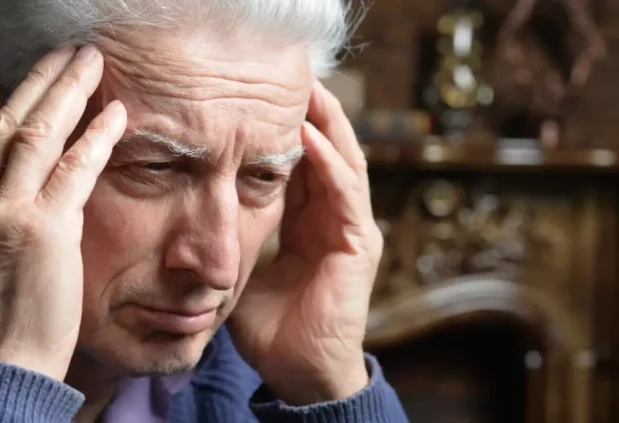
Imagine this.
It’s a normal Monday morning. You’re making tea, scrolling through the news, when your right arm feels oddly heavy. You drop the spoon, laugh it off and tell yourself, “I just slept on it wrong.”
An hour later, your speech feels a little slurred on a work call. Again, you blame it on being tired.
By evening, you’re in an ambulance.
What felt like nothing turned out to be a mild stroke.
At Kent Healthcare, we see this story far too often. Mild stroke symptoms – especially stroke symptoms in men – can look small, but the damage inside the brain is not. Worldwide, stroke is a leading cause of disability and the second leading cause of death.
This is a YMYL (Your Money or Your Life) topic. Decisions you make based on this page can affect your health and future. That’s why this guide combines:
- Current evidence from respected organisations like the CDC, World Stroke Organization and American Heart Association.
- Insights echoed in leading clinical resources and patient education from top hospitals.
- The practical experience of multidisciplinary stroke teams like those at Kent Healthcare.
It’s written for you – and for the people who love you – so you can spot signs of a stroke in men early, get mild stroke treatment fast and protect your long-term brain health.
Important: This article is for general education. It does not replace emergency care or a personalised consultation with your doctor. If you notice any signs of a stroke, call your local emergency number immediately.
Understanding Mild Stroke And Why No Stroke Is Truly Mild
What Doctors Mean By Mild Stroke, Mini Stroke And TIA
You’ll hear several terms used:
- Mild stroke – a stroke where symptoms are less dramatic or improve quickly, but there is still damage to brain cells.
- Mini stroke or transient ischemic attack (TIA) – a temporary blockage of blood flow to the brain; symptoms often last minutes and leave no visible damage on scans, but the risk of a major stroke soon after is high.
Some people also experience silent strokes, picked up only on MRI scans later. In one large study of older adults, many had signs of small strokes on scans even though they didn’t remember having one – and those changes were linked to later problems with thinking and movement.
So yes, symptoms can be “mild”. But medically, there’s no such thing as a harmless stroke.
How a “Mild Stroke” Damages Brain Cells Over Time
Stroke happens when the brain suddenly stops getting enough blood and oxygen – either because a blood vessel is blocked (ischemic stroke) or because a vessel bursts and bleeds (hemorrhagic stroke).
Even if you still can walk, talk and move, a mild stroke:
- Kills brain cells in a specific area.
- Can cause subtle symptoms – short-term memory problems, mood changes, clumsiness – that you might not connect to stroke at all.
- Raises your risk of another, more severe stroke, especially in the first days and months after a TIA or minor stroke.
Think of it like a small crack in a bridge. The bridge doesn’t collapse today – but if nobody repairs it, the next storm could be devastating.
Kent Healthcare’s job is to help you spot that crack early, repair it properly and keep the bridge strong.
Stroke Symptoms In Men And Why They Are Easy To Miss
The “I’m Fine” Mindset and Silent Stroke Risk
Let’s be honest. Many men are trained from a young age to “tough it out”.
- Sudden numbness in a hand? Must be from the gym.
- A bit of slurred speech? “I’m just tired.”
- Blurred vision for a few minutes? “It’ll pass.”
This mindset is dangerous. Studies show that a large portion of people don’t recognise all the major stroke symptoms or don’t act quickly when they appear.
Add to that the fact that silent strokes and mild stroke symptoms can be subtle or short-lived, and many men never tell anyone what they’re feeling – until it’s too late.
Age, Lifestyle and Unique Risk Patterns in Men
Men can experience stroke at younger ages than many expect. In some regions, stroke patients are often in their 40s and 50s, due in part to high rates of high blood pressure, diabetes and obesity.
Common risk factors for men include:
- High blood pressure
- Smoking or vaping
- High cholesterol
- Diabetes
- Sleep apnoea
- Heavy alcohol use
- Sedentary lifestyle
At Kent Healthcare, we treat these risk factors as repairable warning lights. Spot them early, treat them consistently and you reduce your chance of both mild stroke and major stroke.
Early Mild Stroke Symptoms You Should Never Ignore
This is where we get specific. If you take nothing else from this article, remember these early mild stroke symptoms.
Sudden Weakness, Numbness or Clumsiness on One Side
Ask yourself:
- Does one arm or leg suddenly feel heavy, weak or clumsy?
- Do you keep dropping things from one hand?
- Is one side of your face or mouth feeling numb, or does your smile look uneven?
Sudden weakness or numbness in the face, arm or leg on one side is one of the key signs of a stroke in both men and women.
Sometimes it’s dramatic – you can’t lift your arm at all. Sometimes it’s subtle – your leg just “doesn’t feel right” and you trip more than usual. Either way, it’s not something to watch and wait.
Changes in Speech, Thinking, Mood or Personality
Mild stroke doesn’t always look physical. It can look mental or emotional:
- Struggling to find simple words
- Mixing up words or sounding slurred
- Suddenly feeling unusually irritable, anxious or flat
- Difficulty following instructions or conversations you’d usually handle easily
Because these symptoms can also resemble stress, burnout or depression, they’re often ignored. But sudden changes – especially in middle age or later – should raise suspicion for a mild stroke or TIA.
If your family is saying, “You just don’t seem like yourself lately,” that’s worth listening to.
Subtle Balance Problems, Dizziness and Vision Changes
Another early group of mild stroke symptoms affects coordination and vision:
- Sudden dizziness or vertigo
- Feeling like the room is spinning
- Stumbling or bumping into furniture more than usual
- Double vision, blurred vision or sudden trouble seeing in one or both eyes
Men often blame these on “getting older”, dehydration or needing new glasses. But when these changes come on suddenly, they may be early signs of a stroke in men.
At Kent Healthcare, we’d rather see you for a “false alarm” than meet you after a disabling stroke.
Classic Signs of a Stroke in Men: Using the BE FAST Checklist
When symptoms are more obvious, the BE FAST checklist can help you remember the classic signs of a stroke.
Balance and Eyes: The First Quiet Clues
- B – Balance: Sudden loss of balance, trouble walking, or unexplained dizziness.
- E – Eyes: Sudden trouble seeing from one or both eyes, or sudden double vision.
These can appear alone or together. If they’re new, sudden and severe, treat them as an emergency.
Face, Arms and Speech: The Core Signs of a Stroke
- F – Face: Ask the person to smile. Does one side droop?
- A – Arms: Ask them to raise both arms. Does one arm drift down or feel weak?
- S – Speech: Ask them to repeat a simple sentence like “The sky is blue.” Are they slurring, struggling or unable to speak clearly?
These three are the classic stroke symptoms in men you see on posters and hospital walls. They may look mild – a slightly crooked smile or a few slurred words – but they’re still a medical emergency.
Time Is Brain: Why Every Minute Matters
- T – Time: If you notice any of these signs of a stroke, call your local emergency number immediately.
Don’t drive yourself. Don’t wait to see if symptoms go away. In many countries, patients who reach hospital within about three hours of their first symptoms have significantly better outcomes than those who arrive later.
At Kent Healthcare, our emergency partners and stroke teams use international protocols to:
- Quickly confirm or rule out stroke with brain scans
- Start clot-busting or clot-removing treatments when appropriate
- Stabilise blood pressure and protect brain tissue
The faster this happens, the more brain you save.
Mild Stroke Symptoms That Feel “Strange” but Are Seriously Dangerous
Not every mild stroke fits neatly into BE FAST. Some symptoms feel vague or embarrassing, so people stay silent.
Headaches, Confusion, Memory Loss and Incontinence
Call for urgent help if you notice:
- A sudden, severe headache with no clear cause, especially if it’s the “worst headache” of your life
- Sudden confusion or difficulty understanding what others are saying
- New short-term memory problems – not remembering recent conversations or events
- Sudden urinary incontinence or difficulty controlling bladder or bowel without another obvious explanation
Research on mild and silent strokes has linked them to later problems with walking, continence and thinking, including vascular dementia.
Post-Stroke Fatigue, Low Mood and Subtle Cognitive Decline
You might also notice changes after what you thought was a “small incident”:
- Crushing fatigue that doesn’t match your activity level
- Mood swings or new depression or anxiety
- Difficulty multitasking or managing complex tasks at work
- Feeling more withdrawn or apathetic than your usual self
These can be delayed effects of a mild stroke. At Kent Healthcare, we screen for these changes in our stroke follow-up clinics and offer:
- Neuropsychology assessments
- Cognitive rehabilitation programmes
- Counselling and support for you and your family
Mild Stroke Treatment: What Happens in Hospital and After You Go Home
How Doctors Diagnose Mild Stroke or TIA
- CT or MRI scans of your brain to look for bleeding or blocked vessels
- Blood tests for cholesterol, blood clotting and other risk factors
- Electrocardiogram (ECG) to detect irregular heart rhythms like atrial fibrillation
- Ultrasound or CT angiography of neck and brain arteries
- Sometimes, echocardiography to look for clots or structural heart issues
Emergency Mild Stroke Treatment for Ischemic and Hemorrhagic Stroke
Treatment depends on the type of stroke:
For ischemic stroke (blocked artery)
- Clot-busting medicines may be given within a strict time window for eligible patients.
- In some cases, doctors perform a mechanical thrombectomy, using a tiny device to pull the clot out of a large brain artery.
- Doctors work to control blood pressure, reverse blood-thinning medications if needed and manage pressure inside the skull.
- Surgery may be needed to repair a ruptured vessel or remove a blood clot.
Treating Transient Ischemic Attack (Mini Stroke) and Preventing a Major Stroke
Mild stroke treatment here focuses on prevention:
- Antiplatelet medications (such as aspirin or other drugs) to reduce clot formation
- Blood-thinning medications in certain heart rhythm problems
- Aggressive blood pressure, cholesterol and diabetes control
- Sometimes surgery or stenting for severely narrowed neck arteries
- Regular follow-ups
- Medication reviews
- Lifestyle coaching
Life After a Mild Stroke: Recovery and Rehabilitation at Kent Healthcare
Building a Personalised Rehab Plan for Your Brain and Body
- What part of your brain was affected
- What symptoms you have – physical, cognitive and emotional
- Your job, hobbies, family responsibilities and personal goals
- Walking safely without a stick
- Returning to driving or office work
- Playing with your grandchildren without fear
- Managing finances or complex tasks confidently again
Physiotherapy, Occupational Therapy and Speech Therapy
- Physiotherapy – to rebuild strength, balance and walking confidence
- Occupational therapy – to help with day-to-day tasks like dressing, cooking and using technology
- Speech and language therapy – to improve speech, understanding and swallowing if affected
- Cognitive rehabilitation – targeted exercises to improve memory, attention and problem-solving
Supporting Your Memory, Mood and Relationships
- How quickly you think
- How patient you feel
- How confident you are in social situations
- Screening for depression and anxiety
- Access to psychologists or counsellors familiar with stroke recovery
- Education sessions for partners and family members to understand what you’re going through
Lowering Your Future Stroke Risk: Everyday Steps That Protect Your Brain
Medical Risk Factors You Can Control
- Keeping blood pressure under control – one of the most powerful ways to cut stroke risk
- Managing cholesterol with diet and medication when needed
- Keeping blood sugar in a healthy range if you have diabetes
- Treating sleep apnoea, which can raise blood pressure and strain the heart
- Stopping smoking or vaping and limiting alcohol
Lifestyle Habits That Help Your Brain Heal
- Moving more – even 30 minutes of brisk walking most days helps reduce stroke risk
- Eating more plants and healthy fats – think Mediterranean-style meals: vegetables, fruits, whole grains, nuts, seeds and olive oil
- Staying socially active – conversations, hobbies and community activities stimulate the brain
- Sleeping well – 7–9 hours of quality sleep most nights
- Regular check-ups at Kent Healthcare to track blood pressure, cholesterol and medications
When to Call Kent Healthcare: Real-Life Scenarios
Emergency Red Flags – Call an Ambulance Now
- Sudden weakness or numbness on one side of the face, arm or leg
- Sudden trouble speaking, confusion or difficulty understanding speech
- Sudden trouble seeing in one or both eyes
- Sudden trouble walking, dizziness, loss of balance or coordination
- Sudden severe headache with no known cause
Non-Emergency Concerns – Book a Same-Week Stroke Risk Review
- You’ve had brief episodes of weakness, numbness or visual loss that came and went
- Friends or family notice new forgetfulness, mood changes or clumsiness
- You have multiple stroke risk factors (like high blood pressure, smoking and diabetes) and haven’t had a recent check-up
- Specialist assessment of your mild stroke symptoms
- Review of medications and risk factors
- A clear plan for monitoring and prevention
FAQs About Mild Stroke Symptoms and Mild Stroke Treatment
Is there really such a thing as a “mild stroke”?
What are the first mild stroke symptoms men tend to shrug off?
- Numbness or weakness in one hand or arm
- A slightly drooping face in selfies or video calls
- Brief slurred speech or difficulty finding words
- Sudden dizziness or imbalance blamed on “not eating enough”
- Short episodes of blurred vision in one eye
How is mild stroke treatment different from treatment for a major stroke?
- Quickly confirm stroke type with scans
- Give clot-busting drugs or perform procedures for suitable ischemic stroke patients
- Control blood pressure and other critical parameters
Can mild stroke symptoms come and go?
What can my family do if they notice signs of a stroke in me?
- Use the BE FAST checklist (Balance, Eyes, Face, Arms, Speech, Time).
- Call emergency services immediately – not your GP first.
- Note the exact time symptoms started.
- Bring a list of your medications and allergies to hospital if possible.
Later, they can support your recovery at Kent Healthcare by attending education sessions, learning safety tips for home and encouraging follow-up appointments.
How can Kent Healthcare help after I leave the hospital?
- Review your hospital tests and discharge summary
- Confirm your diagnosis – mild stroke, TIA or other conditions
- Optimise your medications for blood pressure, cholesterol and clot prevention
- Provide structured stroke rehabilitation (physiotherapy, occupational therapy, speech and cognitive therapy)
- Offer psychological support and family education
- Follow you long term to reduce the risk of another stroke
Conclusion: Don’t Wait for a “Major” Stroke – Act Early with Kent Healthcare
- A “funny” feeling in one arm
- A slightly crooked smile
- A few jumbled words in a stressful meeting
- But inside your brain, something big may be happening.
- Why there’s no truly “mild” stroke
- The key mild stroke symptoms and signs of a stroke in men to watch for
- How mild stroke treatment works in hospital and afterwards
- Practical steps to lower your future stroke risk
Book an appointment
Booking an appointment with our team of professionals is just a few taps away. Book now!