
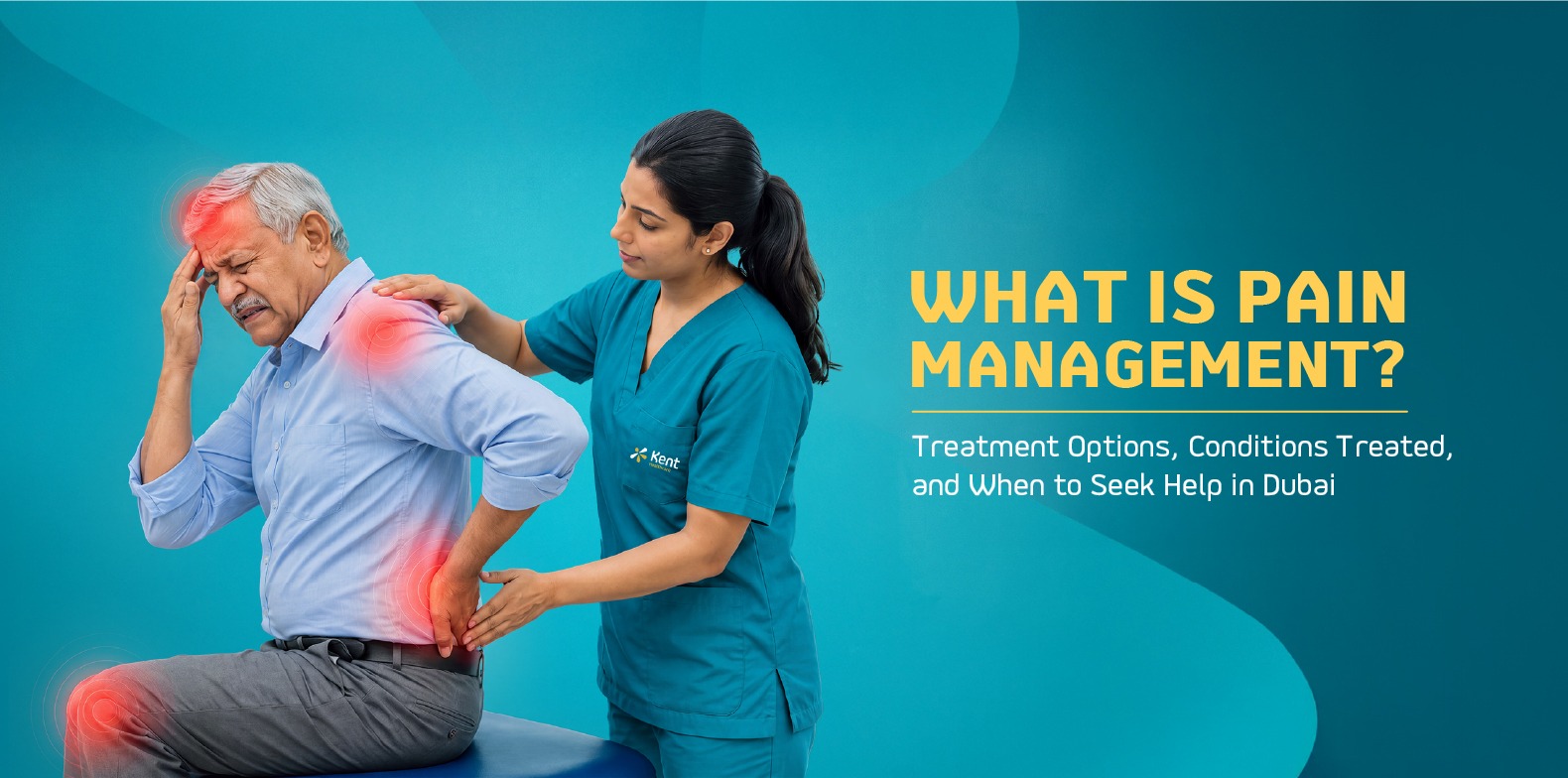
Pain can affect much more than physical comfort. When it becomes persistent or keeps returning, it may interfere with movement, sleep, work, exercise, and everyday activities. Understanding the cause of pain and finding an appropriate way to manage it can therefore be an important part of improving day-to-day function.
Pain management is an individualized approach to assessing, treating, and managing pain. Depending on the cause and severity of symptoms, it may involve physiotherapy, therapeutic exercise, rehabilitation, lifestyle guidance, and other clinically appropriate interventions.
For people looking for pain management in Dubai, understanding the available approaches and knowing when to seek professional assessment can help them make more informed healthcare decisions.
Understanding pain
What Is Pain Management?
Pain management refers to a range of healthcare approaches used to assess pain, understand factors contributing to it, reduce its impact, and support a person's ability to function.
Pain may be acute, such as discomfort following an injury or procedure, or chronic, meaning it persists for an extended period. Because pain can have different causes, there is no single management approach that is appropriate for everyone.
An individualized pain management plan may consider:
- The location and type of pain
- How long the symptoms have been present
- Previous injuries or medical conditions
- Mobility and physical function
- Activities that worsen or reduce symptoms
- The effect of pain on work, sleep, exercise, and daily life
A professional assessment can help determine which management strategies may be appropriate for an individual's condition.
Types of pain
What Is the Difference Between Acute and Chronic Pain?
Understanding the type of pain is an important part of determining an appropriate treatment plan.
- Acute Pain
-
Acute pain typically develops suddenly and may be associated with an injury, surgery, illness, or physical strain. It usually improves as the underlying problem heals.
Examples may include a muscle strain, sports injury, or post-operative pain.
- Chronic Pain
-
Chronic pain persists beyond the expected healing period or continues for several months. It may remain even after the original injury has improved and can sometimes affect mobility, sleep, mood, and quality of life.
Chronic pain management may require a longer-term and multidisciplinary approach based on the individual's symptoms and functional needs.
Conditions
What Conditions May Benefit From Pain Management?
Pain management may be considered for a variety of musculoskeletal and persistent pain conditions.
Some common concerns include:
- Back Pain
-
Back pain can develop due to muscle strain, prolonged sitting, repetitive movements, injuries, age-related changes, or other underlying conditions.
A pain management programme may focus on improving mobility, strengthening supporting muscles, and identifying movements or habits that contribute to symptoms.
- Neck Pain
-
Long hours at a desk, repetitive movements, muscle tension, injuries, and certain musculoskeletal conditions can contribute to neck discomfort.
Assessment can help identify factors affecting neck movement and determine appropriate rehabilitation strategies.
- Joint Pain
-
Pain affecting the knees, shoulders, hips, or other joints can interfere with walking, exercise, work, and everyday activities.
Depending on the underlying cause, management may include therapeutic exercise, mobility training, physiotherapy, and activity modification.
- Arthritis-Related Pain
-
Arthritis can cause joint pain, stiffness, swelling, and reduced mobility. Management generally focuses on supporting joint function, maintaining appropriate movement, and helping patients remain active within their individual capabilities.
- Sciatica
-
Sciatica commonly describes pain associated with irritation or compression of the sciatic nerve. Symptoms may extend from the lower back into the buttock or leg and can sometimes include tingling or numbness.
Because similar symptoms can have different causes, professional assessment is important before beginning a treatment programme.
- Post-Surgical Pain and Rehabilitation
-
Some patients require structured rehabilitation following surgery. Depending on medical guidance and the type of procedure, rehabilitation may help restore movement, strength, and functional independence during recovery.
Treatment options
What Treatment Options Are Used in Pain Management?
Treatment depends on the source of pain, medical history, symptoms, physical function, and individual goals. A pain management programme may therefore combine several approaches rather than relying on a single treatment.
- Physiotherapy
-
Physiotherapy can play an important role in managing many musculoskeletal conditions. Treatment may focus on movement, strength, flexibility, balance, posture, and functional activities.
The specific approach should be based on an assessment by a qualified healthcare professional.
- Therapeutic Exercise
-
Exercise programmes can be designed around the patient's physical abilities and rehabilitation goals.
These exercises may focus on:
- Strength
- Flexibility
- Mobility
- Balance
- Endurance
- Functional movement
The programme can be adjusted as the patient's abilities and symptoms change.
- Manual Therapy
-
Where clinically appropriate, physiotherapists may use hands-on techniques as part of a broader rehabilitation programme.
Manual therapy is generally combined with active approaches such as exercise and movement rather than being used as the sole long-term management strategy.
- Electrotherapy
-
Certain physiotherapy programmes may include electrotherapy modalities when considered clinically appropriate.
The suitability of these techniques depends on the patient's condition, symptoms, and treatment plan.
- Rehabilitation
-
For patients whose pain has affected mobility or independence, rehabilitation can focus on restoring functional abilities needed for everyday activities.
Rehabilitation plans may involve strengthening, mobility exercises, balance training, movement retraining, and gradual return to normal activities.
Non-surgical care
Can Pain Be Managed Without Surgery?
In some cases, conservative or non-surgical management may be considered before surgical intervention, depending on the underlying diagnosis and severity of the condition.
Non-surgical approaches can include physiotherapy, exercise-based rehabilitation, activity modification, and other interventions recommended by healthcare professionals.
However, not every condition can or should be managed in the same way. Some symptoms require further medical investigation or specialist care. An appropriate assessment is therefore essential before deciding on a treatment approach.
When to seek support
When Should You Seek Professional Help for Pain?
Occasional mild discomfort may resolve with appropriate rest and self-care. However, persistent, recurring, severe, or unexplained pain deserves attention.
Consider seeking professional medical advice if:
- Pain continues for several weeks
- Pain repeatedly returns
- Symptoms are becoming worse
- Pain significantly limits movement
- You experience numbness, tingling, or weakness
- Pain interferes with work, exercise, or sleep
- Symptoms develop after an injury
- Pain continues following surgery
- You are unsure what is causing the pain
Medical guidance
When Pain Needs Urgent Medical Attention
Some symptoms may require urgent medical attention, particularly severe pain following significant trauma or pain accompanied by sudden weakness, loss of bladder or bowel control, chest pain, breathing difficulty, or other serious symptoms.
Your first visit
What Happens During a Pain Management Assessment?
An initial assessment generally aims to understand the nature of the pain and how it affects everyday function.
A healthcare professional may discuss:
- When the pain started
- Where the pain occurs
- Activities that trigger symptoms
- Previous injuries or surgeries
- Relevant medical history
- Current medications or treatments
- Mobility and functional limitations
- Personal rehabilitation goals
A physical assessment may also evaluate movement, strength, flexibility, posture, balance, or other factors relevant to the symptoms.
The findings can then be used to develop an individualized management or rehabilitation plan.
Personalized care
Why Is Personalized Pain Management Important?
Two people experiencing pain in the same area may have different underlying causes, physical abilities, lifestyles, and treatment requirements.
This is why effective pain management should begin with an appropriate assessment rather than applying the same programme to every patient.
A personalized approach allows healthcare professionals to establish realistic goals, select suitable interventions, monitor progress, and adjust the rehabilitation plan when necessary.
Our approach
Pain Management in Dubai at Kent Healthcare
For individuals seeking pain management in Dubai, Kent Healthcare provides rehabilitation and physiotherapy services designed around individual patient needs.
Depending on the patient's assessment and clinical requirements, a programme may incorporate physiotherapy, therapeutic exercises, manual therapy, electrotherapy, rehabilitation, and other appropriate approaches.
The aim is not simply to focus on the location of pain but to understand how symptoms affect mobility and everyday function and to develop an appropriate management strategy.
Common questions
Frequently Asked Questions About Pain Management
What is pain management?
Pain management is an individualized healthcare approach used to assess pain, identify contributing factors, reduce its impact, and support physical function. Treatment may involve physiotherapy, therapeutic exercise, rehabilitation, and other appropriate interventions depending on the condition.
When should I consider pain management?
Professional assessment may be appropriate when pain persists, repeatedly returns, becomes worse, restricts movement, or interferes with work, sleep, exercise, or everyday activities.
Is physiotherapy useful for pain management?
Physiotherapy may form part of a pain management programme for many musculoskeletal conditions. Its suitability depends on the cause of pain, symptoms, physical condition, and professional assessment.
What conditions are commonly associated with pain management?
Pain management may be considered for conditions involving back pain, neck pain, joint pain, arthritis-related discomfort, sciatica, musculoskeletal injuries, post-surgical pain, and some forms of persistent pain.
Is pain management only for chronic pain?
No. Pain management approaches may be used for both acute and chronic pain depending on the underlying condition and individual clinical requirements.
Where can I find pain management in Dubai?
Patients looking for pain management in Dubai can consult healthcare and rehabilitation providers such as Kent Healthcare for an assessment and an individualized management plan based on their symptoms and functional needs.
Take the next step
Take the Next Step Toward Better Pain Management
Persistent pain should not simply be ignored, particularly when it begins to interfere with mobility, sleep, work, exercise, or everyday activities.
A professional assessment can help identify factors contributing to your symptoms and determine which treatment or rehabilitation approaches may be appropriate.
If you are looking for pain management in Dubai, contact Kent Healthcare to learn more about available pain management, physiotherapy, and rehabilitation services and to schedule an assessment with the healthcare team.
Phone: +971 50 754 7326
WhatsApp: Message us
Email: info@kenthealthcare.ae
Address: Kent Healthcare LLC, Nashwan Building, 208 C Al Mankhool Rd, above Emirates NBD Bank, Al Raffa, Dubai
Online: Book an assessment